
B1 speaking topics from the news
The news, rewritten for B1, with the words you need to talk about it.
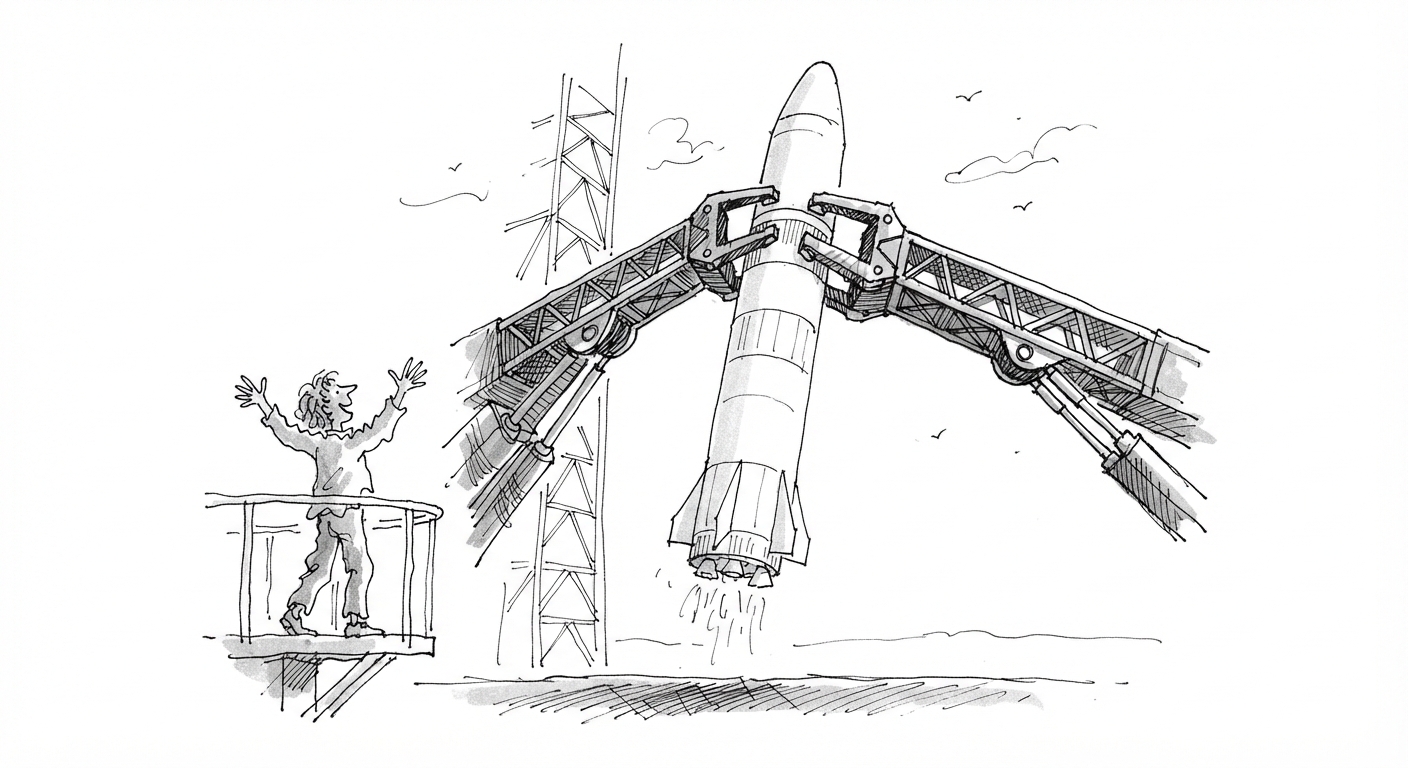
SpaceX catches Starship rocket stage mid-air with mechanical arms
Am Freitag hat SpaceX den oberen Teil seiner Starship-Rakete zum ersten Mal am Startturm aufgefangen. Der untere Teil kam aber nicht zurück: Er brach die Rückkehr ab und explodierte über dem Meer. Während des Flugs hat der obere Teil 26 Satelliten freigesetzt und die Erde 14-mal umrundet. Ein Luftfahrtexperte sagt, dass das ein großer Schritt nach vorn war, obwohl SpaceX nicht beide Teile bei demselben Flug zurückgeholt hat.
How would you say you're worried that the lower part aborted its return and exploded over the sea?
New report reveals only 6.4% of stroke survivors receive enough therapy
Ein neuer Bericht zur Versorgung nach einem Schlaganfall zeigt: Zwischen Januar und März erhielten in England, Wales und Nordirland nur 6,4 Prozent der Patienten genug Rehabilitation. Empfohlen werden drei Stunden am Tag, mindestens fünf Tage pro Woche. Außerdem bekamen nur 68 Prozent nach dem Krankenhaus Unterstützung. Das britische Department of Health and Social Care sagte, dass der NHS daran arbeitet, schnell Hilfe und langfristige Rehabilitation bereitzustellen.
How would you ask someone what the Department of Health said the NHS was doing about rehabilitation?
New research shows nearly two-thirds of teens and tweens use AI chatbots
Zwei neue Umfragen zeigen: Fast zwei Drittel der Jugendlichen nutzen KI-Chatbots. In einer Umfrage haben 90 Prozent der 9- bis 17-Jährigen schon einmal einen Chatbot benutzt. Fast zwei Drittel nutzten ihn sowohl für Schulaufgaben als auch, wenn sie Unterstützung bei Gefühlen brauchten. Außerdem zeigt eine bald erscheinende Studie: Schüler aus der Mittelstufe, die Chatbots als Begleiter nutzten, wurden mit der Zeit einsamer. Forschende sagen, dass unklar ist, ob KI der psychischen Gesundheit schadet oder ob junge Menschen mit Problemen eher KI nutzen.
How would you tell a friend that students who used chatbots as companions became lonelier over time?
Want to talk about it?
Reading isn’t the same as discussing it out loud. Practise talking about topics like this, every week.
Start practising nowNew to the B1 speaking exam? Read the guide